We often know how important it is to feel emotional pain - but what about physical discomfort? A reflection on...
Read MoreDeep Rest Bodywork
Mindful, deep bodywork for when you need to unwind and be soothed
The intention is to bring you a deep relaxation at a nervous system level.
When our nervous system feels wired and constantly “on”, our bodies will default to tension and bracing, no matter how good any massage techniques are. Relief is often temporary.
Our bodies carry this.
Over time it settles into our nervous system – not as a passing mood but as a way of being: switched on, braced, anxious, alert, waiting for what’s coming next. Often this becomes a baseline that never quite comes down.
Deep rest never quite arrives.
I meet that with a great deal of empathy. My intention is to create safety, connection and comfort through touch, so that your body can let go and unwind.
A whole body exhale
It can feel like a deep, full body exhale. And it can also connect us to where we may be holding and bracing, inviting acceptance and compassion to these places. Slow, warm, comforting…
- A hand, holding or resting, just weight arriving, still and warm – listening touch first.
- Gentle rocking, the way you’d rock a child. A shoulder, a hip, a whole limb held, lifted and rocked. Long, slow opening arcs that you don’t have to help with.
- Moments of stillness, and no hurry to fill it.
- Something giving… a breath you hadn’t noticed you were holding, your jaw or belly softening. You simply find you’re not braced any more. An awareness of a place you’ve been holding – not to work it out, not to fix it, but to have it noticed, seen and felt.
- Sighing or tears arriving with no story attached to them and no need to explain.
Underneath all of it is the part that’s hardest to describe: being met. Nothing asked of you in return. You don’t have to be interesting, articulate, or getting anywhere. You don’t have to say a word.
Most people leave feeling more spacious, lighter and quieter than they arrived. That is what the session is for.
The need for touch
Long before we can speak, or understand, or explain ourselves, we already know how to be held. A hand resting on a back. The rhythm of being rocked. Someone staying close by. None of it needs translating – it’s one of the first things we understand, and one of the ways we know we’re not alone.
That need doesn’t go away. It just becomes harder to ask for.
Somewhere along the way most of us learn to manage without it. We get touched in handshakes, in hugs hello and goodbye, in a haircut, in a medical examination. Being touched simply because you need it – by someone whose whole attention is on you, with nothing else to do – becomes rare. Rarer still if you’re exhausted, grieving, unwell, or getting older.
This is a space to be safely touched. To be felt, responded to, and given time. Rocked, held, and stayed with. There’s nothing to perform and nothing to get right.
Being touched is not a luxury or a reward. It’s part of what makes us human, and it’s something we’re all still allowed to need.
How a session works
Each session is different, responding to you on the day.
You’re fully clothed throughout, on a futon on the floor or on a table – whichever you’d rather. There’s no oil, so you won’t need to shower afterwards or worry about your clothes.
There’s no set routine or sequence to work through. I don’t arrive with a plan for your back, then your shoulders, then your hips. Where I go depends on what I notice once I put my hands on you, and that can comes intuitively, as we go.
You can talk if you want to, and you don’t have to. Many people say very little. Some fall asleep. Some find they cry, and that’s welcome too.
Less rather than more
There’s a kind of bodywork that assumes more is better – deeper pressure, longer stretches, working harder at the place that hurts. This is the opposite. The less I do, the more room there is for something to happen. A body that feels listened to stops having to defend itself, and once it isn’t bracing for the next thing, it has somewhere of its own to go. My job is to make that space, not fill it and trust your body’s innate intelligence.
None of which means nothing is happening. It’s simply that the change doesn’t come from what’s done to you. Consider how change happens in talking therapy: rarely because the therapist did something to us, more often because we were heard – properly and deeply, without being corrected, fixed or hurried along – and we find our own way from there.
Touch works the same way. Being listened to is not the absence of the work. It’s the thing that makes change possible.
What it's not...
It isn’t talking therapy, counselling or coaching.
Everything is welcome – you’re free to chat and share, to release and feel heard and seen. You’re also welcome to say nothing at all. I won’t go digging, I’ll respect quiet and stillness.
It’s bodywork: hands, breath, rhythm, weight and holding, with empathic listening very much available.
Who it's for
- You might be coming through a long stretch of stress and finding you can’t come down from it.
- You might be sleeping badly, or waking at four with your mind already going.
- You might be carrying loss, or change, or a few years that asked a lot of you, and feel like your body has said enough.
- You might be tired of being treated as a set of symptoms. You might want to be met as a whole person.
Some people describe it as not being able to switch off. Others just know they need to be looked after for an hour. You don’t need to be able to explain it, and you don’t need to know why.
-
Client feedback
"I’m so grateful I came across Bev. She is a gifted practitioner with healing hands & a calming presence.... I felt so held by Bev & nurtured. I left feeling relaxed, peaceful & energised. "
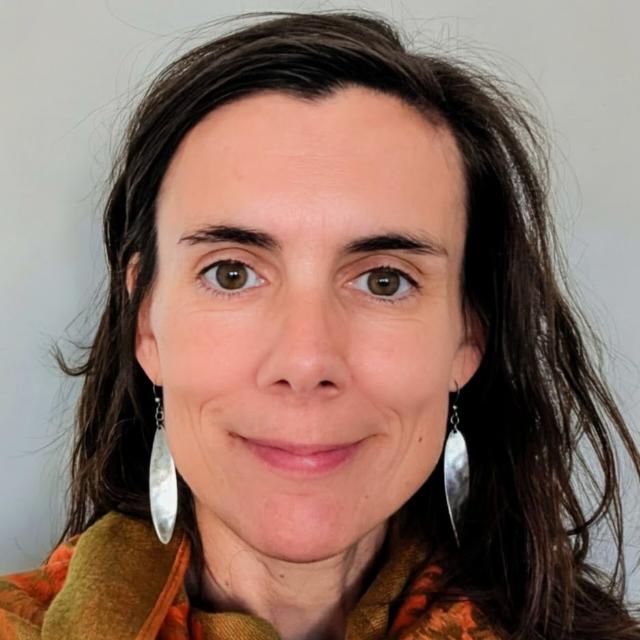
Sixteen years of experience, woven into one integrative practice
This isn’t a new technique I’ve learned. It’s everything I’ve learned, arrived at.
Sixteen years of working with people’s bodies has gone into this: Thai yoga massage, table bodywork, abdominal massage, somatic and breath work, the polyvagal understanding of how a nervous system settles. Different trainings, different traditions, all of it now underneath my hands rather than running the session.
What changed it was working with people who couldn’t tell me anything. Adults with complex needs. People at the very end of life. People who couldn’t speak, or move, or explain what they needed, and who had no way of meeting me halfway. With them, technique was no use at all. What was left was presence – being there, staying, listening with my hands, and waiting. Rocking, holding, being with someone until their system began to trust that nothing was going to be done to them.
And the need that came through, again and again, was not for something being fixed. It was for company. For touch. To be seen and felt. For another nervous system to be steady alongside theirs – co-regulation, the oldest thing there is, and one of the deepest needs we have.
That way of working came back with me. It’s what I now offer here, to anyone who needs it, whether or not there’s anything wrong with them at all.
Next steps
Arrange a free chat first
If you’re unsure whether Deep Rest Bodywork is right for you, we can arrange a short chat to explore whether this approach may help.
Book a Session:
60 minutes – £60
90 minutes – £85
20% welcome discount on your first appointment.
Insights and reflections on the body, emotions and reconnecting with yourself
Listening to the body: from fixing to curiosity
We often try to fix tension, discomfort or unease in our body, but what if the first step isn’t fixing,...
Read MoreWhy touch matters in dementia care
When words become harder to find, touch can become one of the most direct ways of communicating safety, comfort and...
Read MoreFour seasons in one month
A gentle reflection on the menstrual cycle as a series of inner seasons. Exploring the shifts between expansion and contraction,...
Read More