
Walking around discomfort
Moving toward sensation
There’s something many of us do when discomfort shows up in our body. We may brace, compensate or move around it – sometimes quite literally. We may shift our posture, tighten, protect, hobble, avoid certain movements, or try to make the feeling go away as quickly as possible. We might reach for pain relief, distraction, stretching, solutions, or simply try to push through.
And to be clear, this makes complete sense: pain and discomfort are unpleasant, our body is wired to protect us. But recently, something made me pause and become curious about how we respond to discomfort.
How we approach emotional pain
When it comes to emotions, many of us are becoming more familiar with the idea that healing often asks us to go towards what we feel, rather than suppress it.
We recognise that grief needs to be felt.
That anxiety often softens when it’s acknowledged.
That sadness, anger or fear tend not to disappear by pushing them away.
In talking therapies, there is often an understanding that we don’t heal by avoiding what hurts, but by gradually and safely making space for it, feeling it, understanding it, and allowing it to move.
We may talk around something for a while. We may analyse it. But often, what shifts things most is the moment we finally allow ourselves to feel what has been there all along.
And this made me wonder… what if this applies to some physical discomfort too?
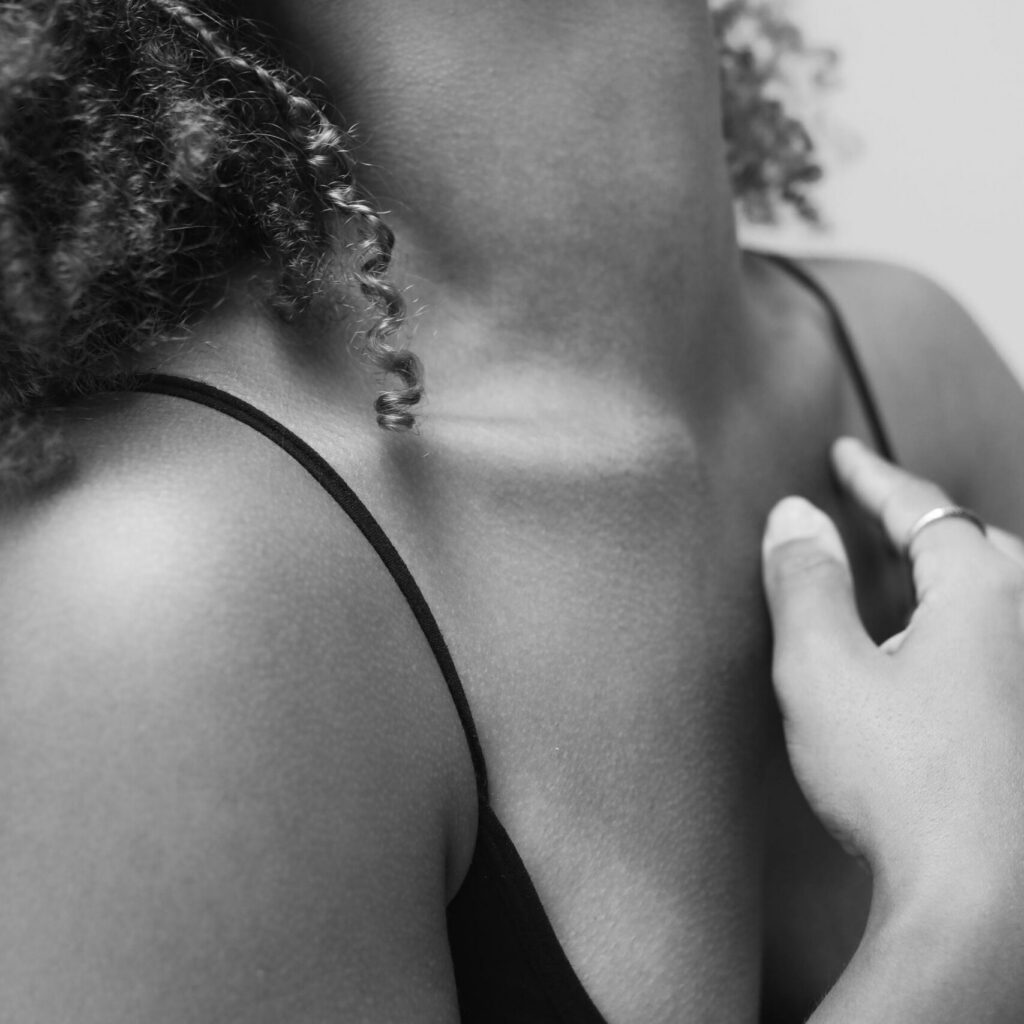
Walking around pain
After moving house recently, I developed pain through my hip and some sciatica. Leaving a home after many years, especially one that has held difficulty, brings up a lot. On moving day, I noticed myself flooded with memories and anger, and there was something about leaving that felt like letting go of years of entanglement and stress.
I could make sense of why my body might be responding. I could understand the emotional landscape around it, this understanding felt meaningful. But interestingly… understanding wasn’t what shifted the pain.
For a few days, I found myself limping to protect my hip. I was compensating, literally walking around the discomfort and avoiding fully weight-bearing on one side.
Then something changed.
Going towards discomfort
I became curious about what might happen if, gently, I stopped moving around the sensation quite so much. Not to force itor override what my body was saying. But to allow myself, carefully, to feel more of what was there.
At first it became more intense, but then, quite quickly, something softened. The pain I had been avoiding eased; not entirely, not magically, and not in a way that felt dramatic. But noticeably. This made me wonder whether part of what had been keeping the discomfort going was my relationship to the sensation itself.
The fear. The guarding. The “walking around it”.
Interestingly, this also seems to echo some of what we’re increasingly hearing in pain science – that pain is not always only about tissue or structure, but can also be influenced by how safe or threatened our nervous system feels, and how we relate to discomfort itself.
I’m not an expert in pain science, and this certainly doesn’t mean pain is “all in our head”. But it does make me curious about the ways protection, fear, bracing and avoidance may sometimes become part of the experience too.

Listening isn’t only understanding
I talk often about listening to the body and sometimes that does involve understanding. It can be about…
Noticing patterns.
Being curious about what our body may be holding.
Recognising when stress, emotions, overwhelm or old experiences might be showing up physically.
But I’m increasingly aware that listening to the body is not only about understanding it. Sometimes, understanding can help orient us, but often, when something is gently felt and met, something can begin to shift.
Sometimes listening means meeting sensation directly and feeling the shape of it: texture, intensity and the exact place it lives in our body – without immediately trying to make it go away, or rushing to explain it.
We can just allow ourselves, gently, to be with what is there. Often, when something feels met in that way, something can begin to soften.
A gentle note of caution
Of course, this doesn’t mean all pain is emotional, stress-related, or something we should simply push through. Pain deserves care and attention. Injuries, inflammation, structural issues and ongoing symptoms matter and deserve appropriate medical support. This post certainly isn’t about ignoring what our body is telling us.
Sometimes discomfort simply asks for rest, treatment, support, or time.
There may be moments when pain feels too intense, acute, or overwhelming to approach with curiosity – and that REALLY matters too. This isn’t about pushing through suffering or overriding ourselves. Sometimes the gentlest thing we can do is respond to what our body is asking for in that moment.
…And sometimes, particularly with stress-related tension, holding patterns, headaches, jaw tension, digestive discomfort or nervous-system overwhelm, I wonder whether the way we relate to discomfort can become part of our experience.
Sometimes our body may be asking not only to be understood… but to be felt.
An invitation

The next time discomfort arises in your body, perhaps there’s a gentle question to explore:
- What happens if, for a moment, instead of walking around it, I become curious about it?
Not forcing, analysing, trying to change it straight away.
Just noticing, feeling and listening.
And seeing what happens when something in our body is gently met, rather than resisted.
How this is supported in my work
- Sometimes this kind of listening is supported through touch: slowing down enough to notice what our body may be holding through breath, sensation and gentle bodywork.
- Sometimes it happens through guided awareness and conversation: becoming curious about what is present and learning how to meet our experience differently.
The form this takes can vary. Sometimes we begin with bodywork. Sometimes with the belly. Sometimes simply with space to slow down and listen.
The intention is often the same: to gently meet what is here, rather than push past it. Whether through somatic bodywork, abdominal therapy, traditional Thai massage or embodied health sessions, we begin where you are.
If this resonates, you’re welcome to explore this work with me.